lumora-brand
WhatsApp Us :root{–global-palette1:#C9A96E!important;–global-palette2:#0F0F0F!important;–global-palette3:#F5F0E6!important;–global-palette4:#1A1A1A!important;–global-palette5:#FFFFFF!important}
WhatsApp Us :root{–global-palette1:#C9A96E!important;–global-palette2:#0F0F0F!important;–global-palette3:#F5F0E6!important;–global-palette4:#1A1A1A!important;–global-palette5:#FFFFFF!important}
A practical walkthrough of how a fragrance brand’s packaging concept becomes a shippable product — from first sketch to first production run, and every decision in between.
Two closure mechanisms, two customer experiences. The engineering tradeoffs, the cost differences, and the brand-positioning implications.
A customer picks up a bottle for about three seconds before deciding whether to put it back. Here’s where those three seconds go.
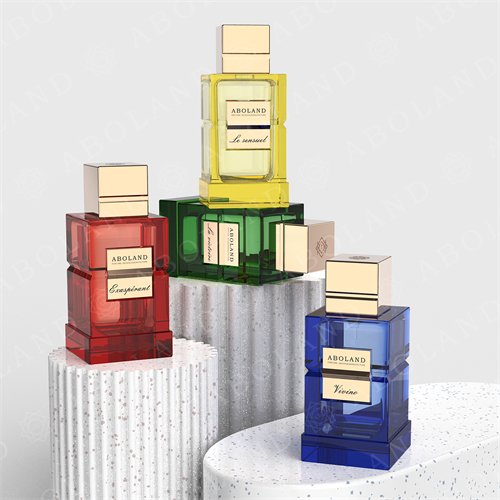
Zamac caps cost more than plastic or aluminum. The reasons are tactile, mechanical, and brand-positioning. Here’s the case.
Refillable, recycled, recyclable, biodegradable — the sustainable packaging claims have outpaced the standards. Here’s how to tell them apart.
Refillable is the sustainability claim with the most engineering complexity and the most brand-strategic implications. Here’s the full picture.
The atomizer is the part of the perfume packaging the customer experiences every single use. Most brands under-invest in it.
OEM and ODM get used interchangeably in the fragrance industry. They describe fundamentally different supplier relationships with different cost, time, and IP implications.
A year-long test of 12 glass bottle formats through simulated international transit conditions. The results changed how we spec secondary packaging.